Safety, risk & accessibility compliance
See where physical conditions create risk before they become bigger problems
Document safety, accessibility, and risk-related conditions across your properties with consistent criteria and supporting evidence. Immersion Data Solutions helps multi-site retailers understand where attention is needed, prioritize action, and maintain a defensible record of observed conditions.

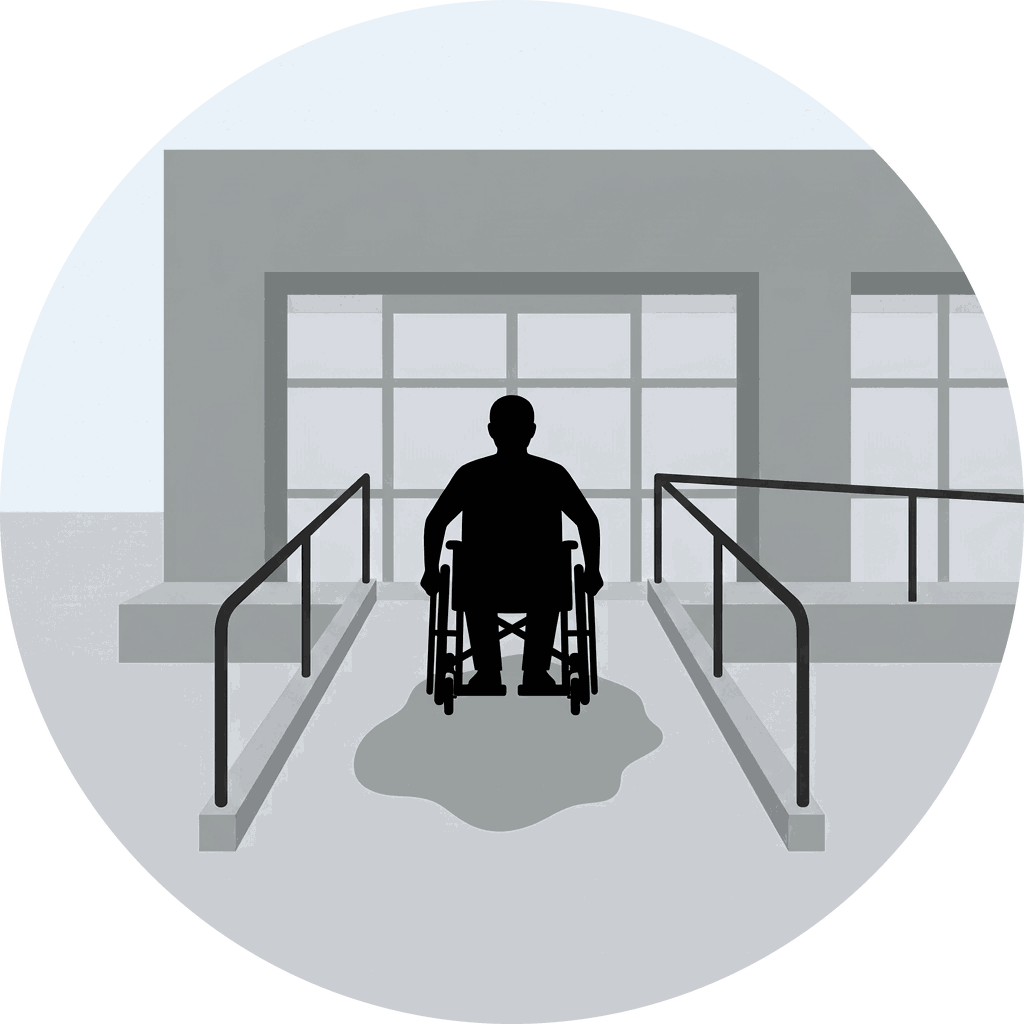
Safety and accessibility concerns can appear almost anywhere across a retail property: an obstructed egress path, a damaged handrail, inadequate lighting, a deteriorated walkway, an accessibility issue at an entrance, or a missing life safety feature.
Across hundreds or thousands of locations, the challenge is knowing where those conditions exist and which ones require attention.
Individual inspection reports, work orders, photos, and local knowledge may capture pieces of the picture. But when teams lack consistent evidence across locations, it becomes harder to compare properties, prioritize corrective work, plan capital, or respond confidently when questions arise.
Immersion Data Solutions helps retailers establish a consistent physical record across their portfolio. We document specified safety, accessibility, and risk-related conditions, connect findings to supporting visual evidence, and organize the information in Phygii so Facilities and Real Estate teams can act on what they find and return to the evidence later.
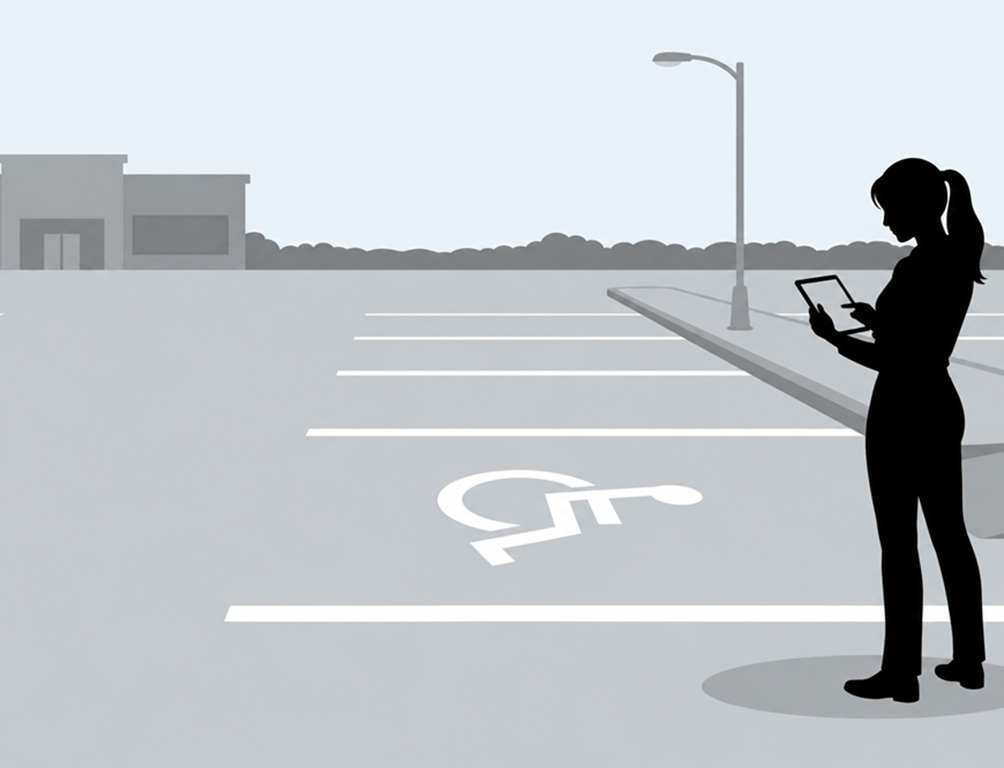
A safety, risk, and accessibility assessment documents specified physical conditions related to life safety, accessibility, and general property risk so teams can identify potential concerns, prioritize follow-up, and support corrective action.
The assessment provides observational evidence, not legal certification. Where formal compliance determinations or legal sign-off are required, qualified professionals should make those determinations.
Preventive/Predictive Maintenance puts asset and condition information to work in maintenance decisions. Facility Health Monitoring revisits selected conditions over time so teams can understand change. They belong together because maintenance teams need both a reliable record of what they service and evidence for reconsidering the work as conditions evolve.
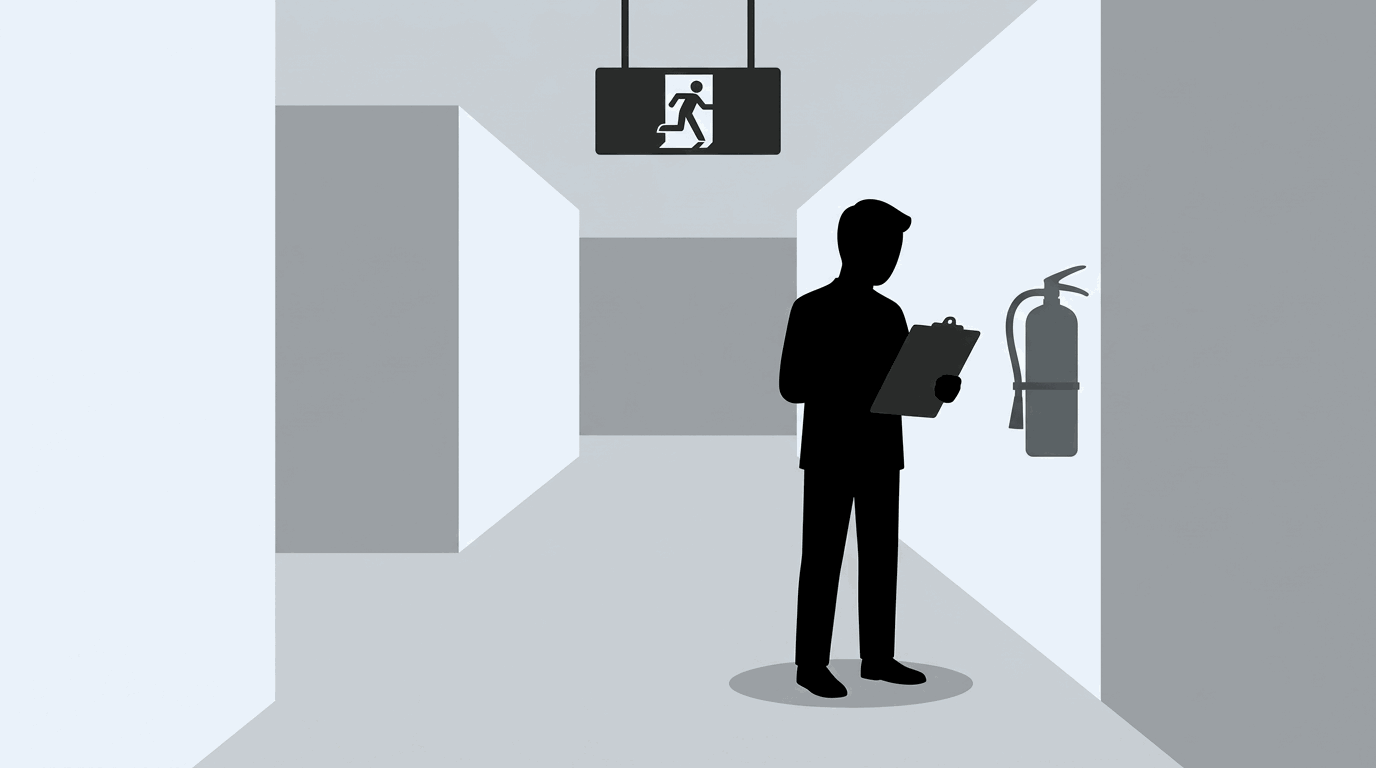
Document specified fire protection and life safety features such as sprinklers, extinguishers, alarms, detectors, emergency lighting, corridors, exits, and egress paths.
Capture their presence, observable condition, and supporting evidence so teams can identify missing, obstructed, damaged, or otherwise concerning conditions that warrant attention or further investigation.
Document entrances, paths of travel, ramps, doors, restrooms, signage, and other specified accessibility features.
Photography, 360-degree imagery, and measurements where appropriate provide evidence teams can use to identify potential accessibility concerns and support additional review when needed.
Document conditions involving lighting, railings, flooring, parking areas, corridors, stairwells, security features, and other specified areas.
Visual evidence helps teams identify potential hazards and physical conditions that may require maintenance, corrective work, or further evaluation.
Not every program requires the same level of detail. Your capture approach can reflect the properties, risks, and decisions involved.
A baseline visual assessment may use still photography and 360-degree imagery to document specified assets, features, and conditions. Exterior areas can include aerial imagery when broader site context is useful. Programs that require greater precision can add close-up evidence, measurements, LiDAR, or other capture methods where appropriate.
Existing inspection reports, code documents, or other property records can also provide useful context. When available information conflicts with observed conditions, teams can flag the discrepancy rather than assume the record is current.
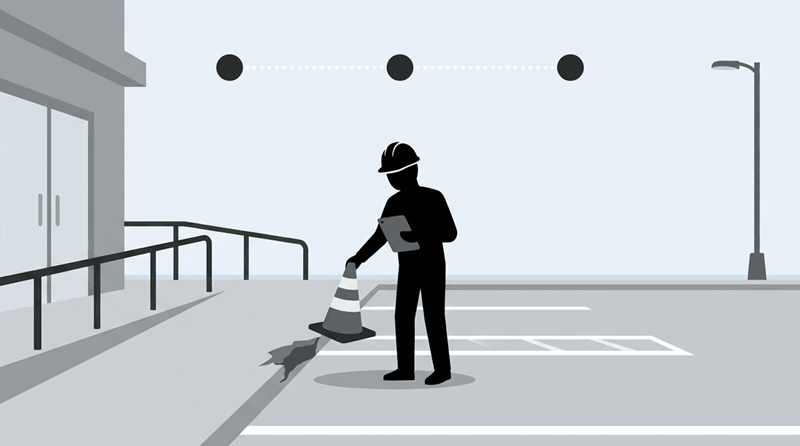
A property condition can matter for more than one reason. A damaged walkway may affect overall facility condition, create a safety concern, affect accessibility, and eventually require capital investment.
That does not mean teams need a separate site visit every time they ask a different question.
Immersion Data Solutions can capture the spaces, assets, measurements, and visual evidence needed to support multiple property initiatives during the same field visit. Phygii organizes that information so teams can apply the appropriate criteria and roll it up for the decision at hand.
| Program | What it focuses on |
|---|---|
| Facility Condition Assessment | Looks broadly at property condition, repair and replacement needs, deferred maintenance, and capital requirements. |
| Facility Health & Maintenance | Puts relevant asset and condition information to work in ongoing Facilities decisions. |
| Safety, Risk & Accessibility Compliance | Focuses the physical evidence on conditions with safety, accessibility, risk, or compliance implications. |
An individual finding tells you what needs attention at one location. Standardized assessments make it possible to understand how those findings add up across a portfolio.
Teams can organize findings by property, category, severity, or other program criteria. A portfolio view can help identify locations with more significant concerns, recurring issues across multiple properties, and areas where corrective work may need to be prioritized.
That visibility can support decisions about maintenance, remediation, capital planning, and broader risk-reduction programs.
It also creates a more consistent record for conversations across Facilities, Real Estate, Construction, Finance, and leadership. Instead of relying on anecdotes or trying to reconcile different local reports, teams can work from documented physical evidence.
Facilities teams often encounter safety and accessibility issues as part of everyday property management. The challenge is moving from individual tickets and local observations to a more systematic understanding of conditions.
A structured assessment can help teams document concerns consistently, review supporting evidence remotely, prioritize follow-up, and give vendors or internal teams better context before work begins.
When appropriate information already exists in Phygii, teams can also use it to investigate new questions without immediately sending someone back to the site. If current conditions matter, they can identify where refreshed evidence is needed rather than automatically starting over.
.png?width=800&height=468&name=Business%20District%20Data%20Flow%20(1).png)
Physical risk can affect decisions well beyond day-to-day maintenance.
Real Estate teams may need to understand safety and accessibility conditions when evaluating an acquisition or lease, planning reinvestment, preparing a property for transition, or considering where capital should go across the portfolio.
A consistent physical record gives those decisions more context. Teams can see the observed condition, supporting evidence, and location of an issue rather than relying only on a summary or a point-in-time report.
The assessment does not replace the qualified professionals required for formal code, legal, or compliance determinations. It gives those teams and decision-makers better physical evidence to work from.
The value of an assessment is not simply identifying more issues. It is helping teams decide what to do with what they find.
Program deliverables can include:
Together, these outputs help teams move from individual observations to a more structured program for review, prioritization, and follow-through.
.png?width=840&height=746&name=Minimalist%20Female%20Presentation%20Silhouette%20(1).png)
Collect the visual evidence, asset information, measurements, condition information, and other physical details required for the program. When multiple initiatives require overlapping information, we can scope the fieldwork to capture those needs together.
Use that physical evidence to answer the question at hand. For this initiative, that means evaluating specified conditions for safety, accessibility, and risk concerns. The same underlying property information may also support condition, maintenance, capital, remodel, or other decisions.
Phygii connects the information to the property's Phygital twin so teams can return to it instead of starting over with another disconnected survey. Reuse information when it remains suitable for the next purpose, and refresh it when current conditions matter.
A safety, risk, and accessibility assessment can establish a baseline, but the information does not have to end with the initial report.
When properties are assessed again, time-stamped evidence can help teams reference prior conditions and understand what has changed. Corrected conditions can be documented, new concerns can be added, and teams can maintain a more current view of the property.
The same record can support other initiatives as needs change. Information captured for a safety program may later help a Facilities team investigate a maintenance request, give Construction context for a remodel, or help Real Estate understand an existing property before making a capital decision.
That is the larger value of building validated property information in Phygii: each capture can become part of a reusable physical record rather than another report that disappears into a folder.
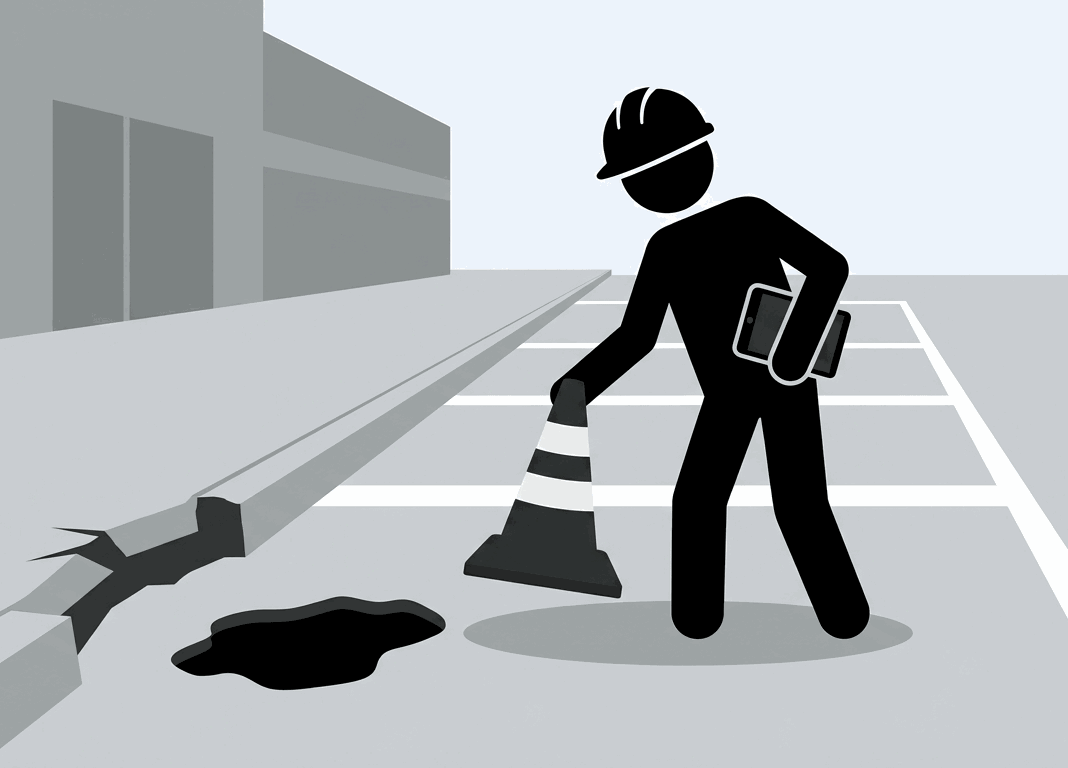
For multi-site retailers, consistency matters. A concern at one location may be manageable. The same condition repeated across dozens of properties may point to a larger maintenance, capital, or risk-management priority.
Immersion Data Solutions helps teams document physical conditions consistently, understand where concerns exist, and bring evidence into the decisions that follow.
The result is greater visibility into physical risk, a more defensible record of observed conditions, and a foundation that can support safety, accessibility, maintenance, capital, and property decisions across the portfolio.
Scope can include fire and life safety equipment, exits and egress paths, entrances, accessibility routes, ramps, doors, restrooms, signage, lighting, railings, flooring, parking areas, stairwells, and other specified features or spaces.
The difference is primarily in the question being answered. An FCA evaluates broader property condition, repair and replacement needs, deferred maintenance, and capital requirements. This assessment focuses on conditions with safety, accessibility, and risk implications. The two can use much of the same property evidence and can be scoped together.
Not necessarily. Many of the spaces, assets, images, and measurements needed for safety, accessibility, FCA, maintenance, or other property initiatives overlap. We can scope a capture to support multiple needs when the required information can reasonably be collected together.
No. Immersion Data Solutions provides observational assessments and supporting physical evidence. We can document conditions and assess them against defined criteria or standards, but formal legal or regulatory compliance determinations may require licensed or otherwise qualified professionals.
Yes, when the existing information is appropriate and current enough for the question being asked. If current conditions are important to the decision, the relevant evidence may need to be refreshed.
We can document specified accessibility features, capture measurements and visual evidence where appropriate, and identify potential concerns against defined criteria. Formal ADA or other legal compliance determinations may require review by qualified professionals.
Yes. Using consistent assessment criteria allows findings to roll up across properties, helping teams compare locations, identify recurring concerns, and understand where attention may be concentrated.
When repeat assessments or refreshed captures are available, Phygii can preserve time-stamped evidence so teams can reference prior conditions and compare them with newer information. The available history depends on when and how each property has been captured.