




Facility Health & Maintenance
Know the assets you maintain and how their condition changes
Prepare maintenance work with validated asset information. Revisit selected physical conditions over time to understand what has improved, deteriorated, or needs further investigation.
Preventive/Predictive Maintenance and Facility Health Monitoring connect maintenance decisions with the evidence needed to revisit them. Immersion Data Solutions helps Facilities teams at retailers with 100+ locations establish the physical asset record and compare selected conditions across repeated captures, so teams can adjust their approach as properties change.

One Facilities team used information from locations Immersion Data Solutions was already capturing to establish a reliable equipment inventory and support budgeting and equipment recommendations.


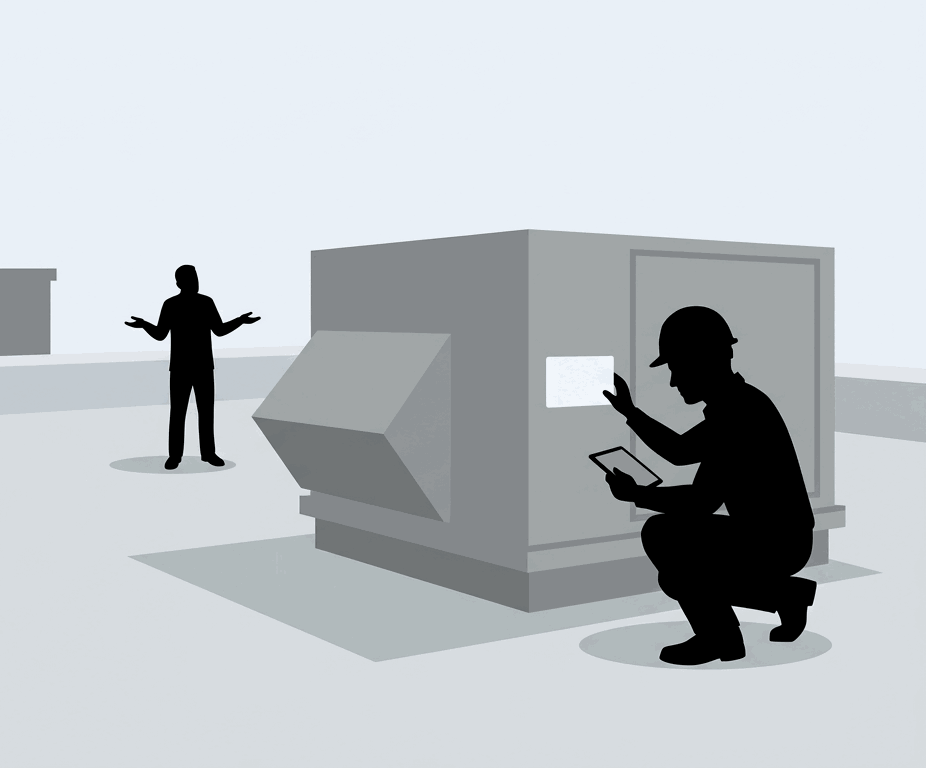
A service schedule gives your team a routine. Knowing which HVAC unit is installed helps prepare the work. Revisiting its visible condition later helps the team investigate deterioration or check what changed after service or replacement.
The same distinction applies to roofs, pavement, fixtures, and finishes. Asset identity and physical context support maintenance action. Repeated condition checks help teams understand change and decide whether a need warrants new attention.
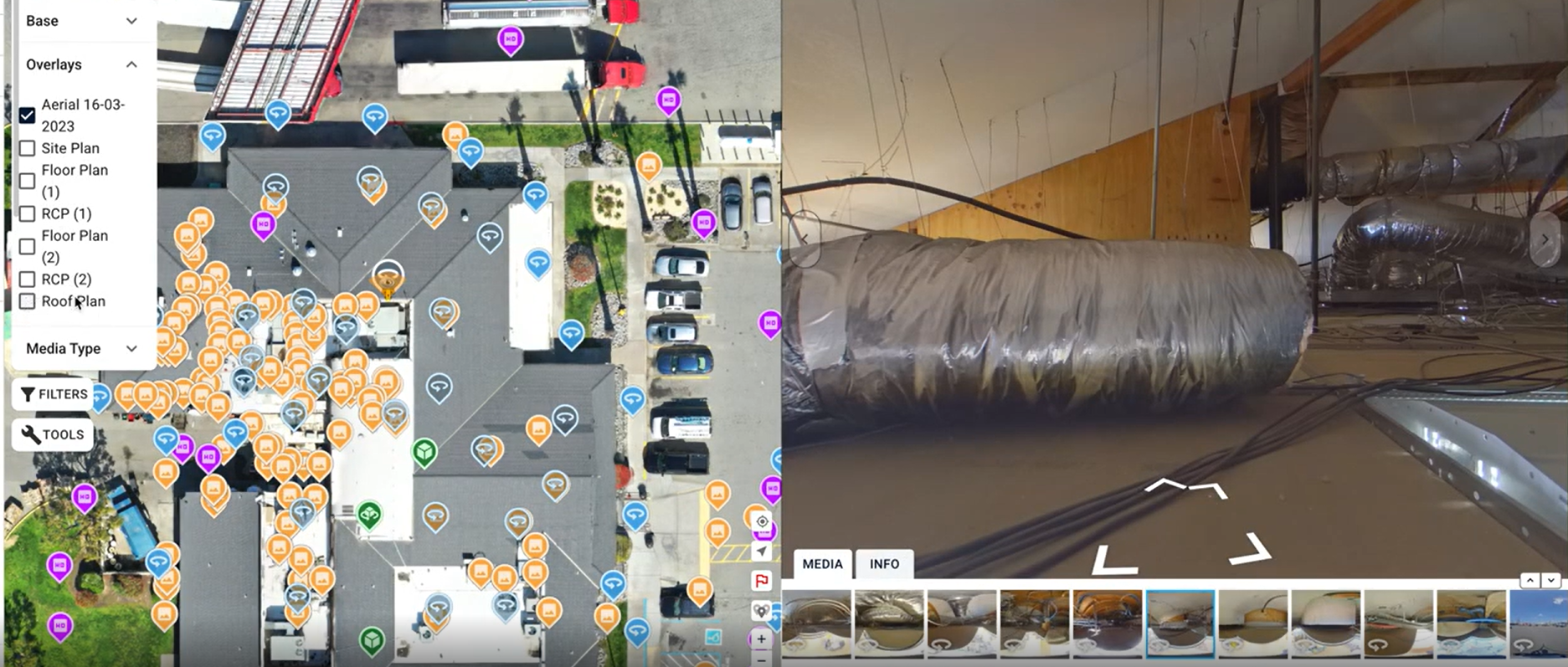
Immersion Data Solutions captures and validates this physical information. Phygii organizes it in a reusable Phygital twin, giving teams an asset record for maintenance and dated evidence to reference across monitoring cycles.
Your team maintains the PM calendar, assigns vendors, and records work orders. Yet a new issue can still raise basic questions: Which unit does this store have? Did someone replace it? Where does it sit? What surrounds it?
Photos, vendor reports, spreadsheets, and past surveys may hold pieces of the answer. Your team spends time finding and checking them before it can plan or resolve the work.
A consistent asset record helps teams prepare service visits, investigate requests, and support maintenance decisions with evidence. When the record answers the question at hand, teams can often prepare the work without another discovery trip.
Preventive/Predictive Maintenance puts asset and condition information to work in maintenance decisions. Facility Health Monitoring revisits selected conditions over time so teams can understand change. They belong together because maintenance teams need both a reliable record of what they service and evidence for reconsidering the work as conditions evolve.
Know the asset and prepare the maintenance work.
Establish asset identity, location, attributes, and observed condition. Use that record alongside service history, manufacturer requirements, and lifecycle expectations to prepare visits, evaluate recurring issues, and guide maintenance, repair, or replacement decisions. The purpose is to support the work your team needs to perform.
For predictive maintenance strategies, validated asset information provides physical context for third-party monitoring and analytics. Those systems supply operating signals and predictions; Phygii supplies the property and asset record teams can use to investigate and plan a response.
Understand how selected physical conditions change over time.
Start from a physical baseline, then revisit selected assets or areas using consistent condition checks. Set a capture cadence around the property, asset, and business need. Phygii preserves dated evidence so teams can reference prior observations and compare conditions across cycles.
The purpose is to understand deterioration, improvement, or an unresolved condition. Your team can then decide whether maintenance, updated assessment, or specialist investigation is warranted. Scope monitoring around what needs repeated observation rather than reassessing the entire property each time.
Scope the initiatives together when your team needs both an asset record for maintenance and repeated condition checks. An FCA can establish the condition baseline; maintenance uses relevant information to guide work, and monitoring examines what changes afterward.
Scope starts with the assets you maintain or the conditions you need to revisit. Depending on the initiative, capture can establish:
Programs can cover HVAC, roofs, lighting, electrical and plumbing systems, pavement, paint, fixtures, and interior finishes. For monitoring, define the assets or areas to revisit and the checks needed for useful comparisons. Agree on access, capture methods, and assessment depth up front.
| Information | Examples |
|---|---|
| Asset identity and location | Equipment present, its location, and make, model, and serial number where accessible |
| Physical attributes | Nameplate information, relevant measurements, and age where it can be established |
| Observed condition | Consistent checks for wear, damage, and other findings on the assets or areas in scope |
| Visual context | Photographs, 360-degree imagery, and appropriate capture of service context or selected conditions |
| A reusable record over time | Validated asset information and dated evidence for maintenance use and comparison across monitoring cycles |
A CMMS may show four service calls for an HVAC unit. Phygii helps establish which unit is physically present, where it sits, its attributes and observed condition, and the visual context around it.
Those records answer different questions.
Facilities teams use these records together to prepare work and evaluate maintenance needs. Repeated physical captures add evidence of condition change; operating systems and service records add context for investigating it.
| Information source | What it contributes |
|---|---|
| Phygii | Validated physical property and asset information |
| CMMS | Work orders, service activity, and maintenance history |
| BMS, sensors, and monitoring platforms | Equipment operating data and ongoing signals |
| Third-party analytics tools | Predictive analysis and associated alerts or dashboards, where provided |
An FCA establishes a structured condition baseline for portfolio comparison and capital planning. Maintenance information and targeted health monitoring help your team revisit selected needs as service work, equipment, and physical conditions change.
Use asset identity, location, and physical context alongside service history to define scopes, discuss parts, and investigate recurring requests before dispatch.
Revisit a documented condition to see whether it has deteriorated, improved, or remains unresolved. Use current evidence when deciding whether postponed work can continue to wait.
Consider repeated condition observations alongside age, service history, and business priorities before advancing or postponing a planned investment.
Apply consistent checks to the assets or areas in the monitoring program. Facilities uses the resulting evidence alongside operational, financial, and safety considerations to decide where further attention is warranted.
For a broader condition assessment and comparable portfolio findings, explore Facility Condition Assessment. For a wider investment program, explore Capital Planning & Asset Modernization.
Scope the visit around the immediate program and other known information needs. Immersion Data Solutions selects appropriate methods, including photography, 360-degree imagery, scanning, drone capture, and measurements. One visit can often collect evidence for an FCA, a maintenance asset record, and a monitoring baseline.
Organize and validate the information into the agreed asset records, condition findings, and reports. Shared capture can support several initiatives; each has a different output, from assessment findings to maintenance context or evidence for comparing condition across cycles.
Keep the information accessible in Phygii for future maintenance questions and other teams. For health monitoring, revisit the selected scope and preserve dated evidence. Reuse existing capture when it answers the question, and collect new evidence when the decision requires current conditions.
Deliverables reflect the initiative and agreed scope and can include:
Start with an asset category, a group of stores, or a specific maintenance or condition-change question. Define how the team will use the information and, for monitoring, what it needs to revisit consistently over time.
One Facilities team needed a dependable inventory of the equipment across its locations, including make, model, and serial number. Without that foundation, the team lacked the information it needed to confidently plan parts, service strategy, replacement cycles, and capital needs.
Immersion Data Solutions was already capturing those locations. We organized information from that capture into asset reports, allowing the team to begin building its inventory without commissioning a separate equipment-inventory visit.
With a reliable inventory, the team could begin using the information for budgeting and equipment recommendations.
This example shows how a maintenance initiative can reuse capture from another program when it includes the required asset information. Facility Health Monitoring adds a different purpose: repeated condition checks that help the team understand change. The inventory can support that monitoring scope, but an inventory alone does not establish a condition trend.
Start with the need in front of you: establish an equipment record, investigate recurring maintenance, or revisit a changing condition. Immersion Data Solutions can define the capture and deliverables for that initiative and scope the two together when your team needs both.
Phygii provides validated asset identity, attributes, observed condition, and physical context. Teams use that record alongside maintenance schedules and service history to prepare visits, evaluate requirements, and guide work. Maintenance scheduling and work-order execution remain in the maintenance process and systems your team uses.
An FCA establishes a structured, point-in-time condition baseline, documenting deficiencies and supporting portfolio comparison and capital decisions. Preventive/Predictive Maintenance uses asset information to guide maintenance work. Facility Health Monitoring compares selected conditions across repeated captures to understand change. An FCA baseline can support either initiative.
The initiatives can often draw on one visit when capture includes the required evidence. Their business questions, assessment criteria, and deliverables differ. Subsequent monitoring needs new observations to establish change over time.
It means revisiting selected physical conditions through recurring, consistently scoped captures and comparing dated evidence over time. Teams look for deterioration, improvement, and unresolved needs. BMS, sensors, and other platforms provide continuous equipment signals; the physical capture cadence depends on the monitoring scope.
Predictive maintenance uses data and analytical models to anticipate equipment problems. Validated asset and property information can strengthen the foundation for that strategy. Predictive analytics, operating signals, and related alerts or dashboards depend on third-party systems.
Yes. Repeated observations help teams revisit deferred needs or planned investments as conditions change. Use that evidence alongside costs, service history, and business priorities. An FCA provides the broader structured assessment and comparable condition baseline for portfolio capital planning.
Set the cadence around the asset, how quickly relevant conditions change, and the decisions the evidence supports. Some customers recapture annually; others update around programs or property changes. Keep the checks consistent enough to compare observations across monitoring cycles.