




Property Due Diligence & Site Readiness

Know what you're acquiring. Be ready for what comes next. 

Before you acquire, lease, or integrate a retail property, understand its physical configuration, site constraints, and operational suitability.

Immersion Data Solutions helps multi-site retailers evaluate property readiness, document access and logistics requirements, and establish a verified Phygital twin that supports planning and execution from day one.

Make better-informed property decisions, reduce costly surprises, and give every team a stronger starting point. 

3 (3)
4–5 weeks 

Faster store openings in a documented expansion program

 $4,000 

Average avoidable costs saved per site

 $1.5 million 

Estimated additional revenue per location from earlier openings

Trusted by leading multi-site operators

Tractor Supply Co
Tractor Supply Company 
United Rentals
United Rentals  
Target
Target  

Make physical reality part of the property decision 

A location can meet your market, demographic, and financial criteria while presenting physical constraints that affect its suitability, cost, or readiness.

Immersion Data Solutions helps Real Estate, Construction, and Store Planning teams understand those constraints before they become expensive surprises.

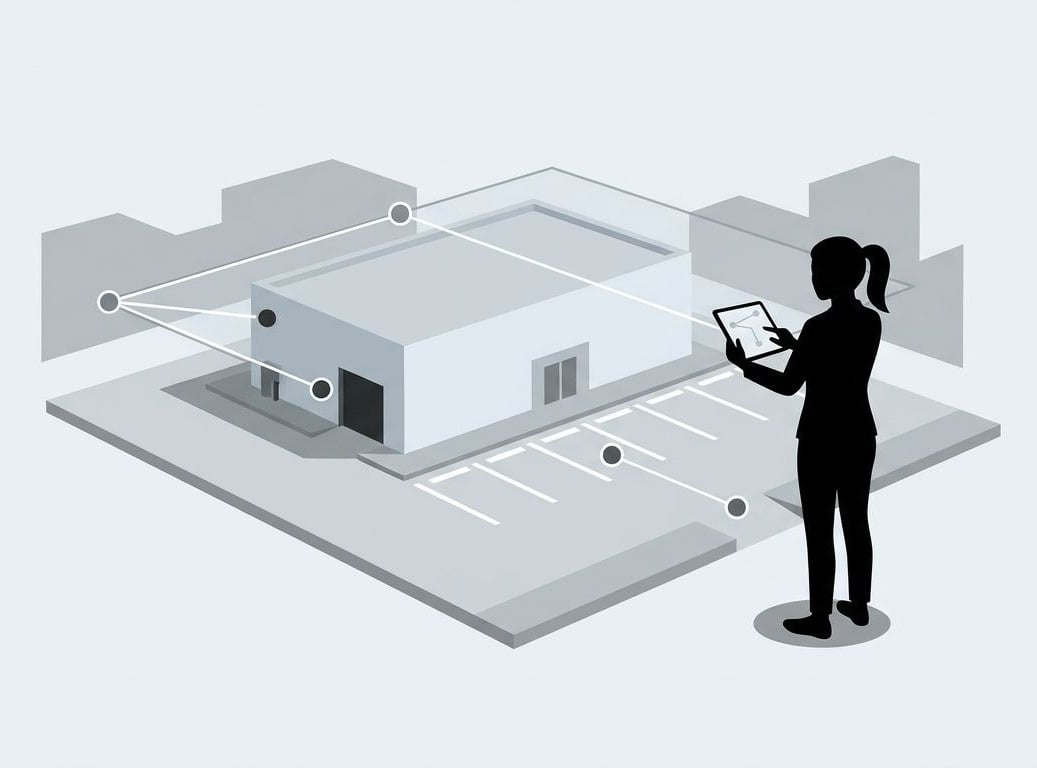
Through structured site evaluations, reality capture, and Phygii, we document the property as it exists today. Teams gain evidence to assess site configuration, utilities, drainage, parking, access, and the requirements of the intended operation.

When the property moves forward, that information becomes the foundation for Digital Onboarding, giving Construction, Facilities, and Store Planning a shared, verified record as the location enters the portfolio.

Understand the property before you commit. Carry that understanding into what comes next.

image-1-1
image-2-1

A promising location can still hold expensive surprises  

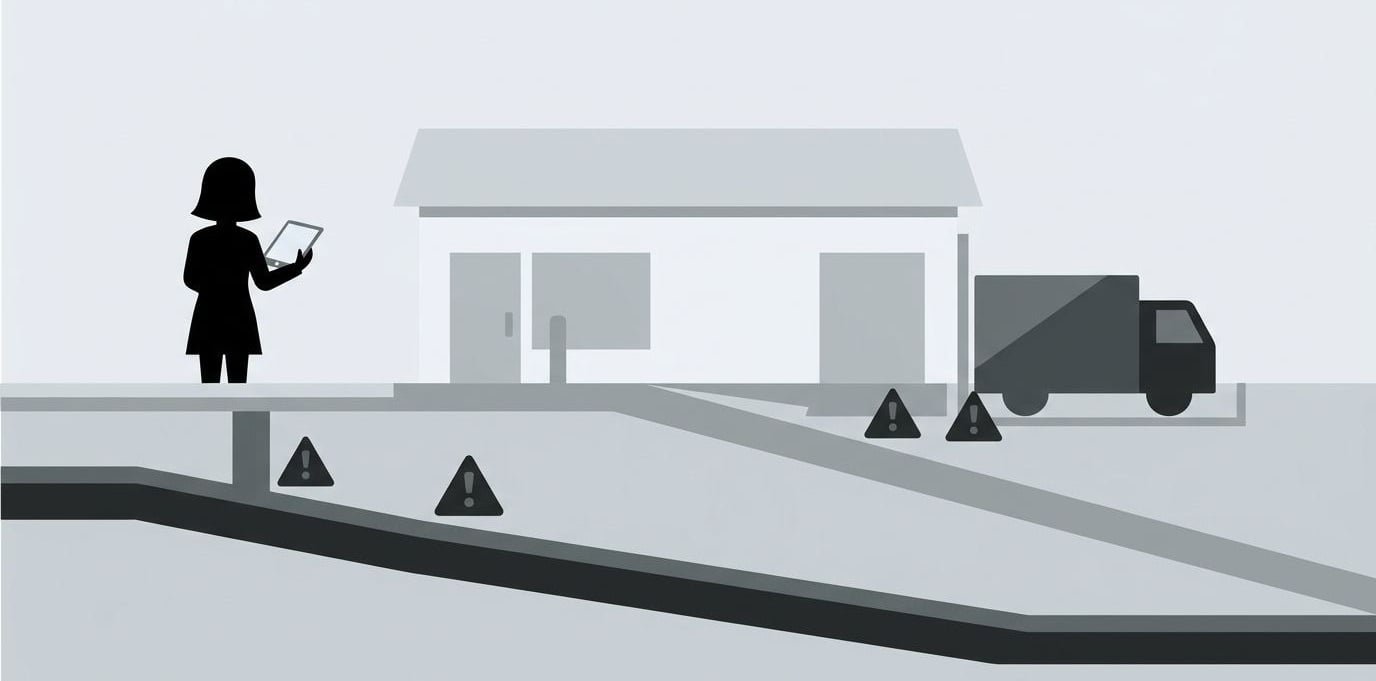
A property may look suitable on paper while grading or drainage conditions create unexpected sitework. Utility connections may be difficult to locate or inconsistent with available plans. Parking and loading configurations may not support the proposed format. 

These conditions don't necessarily make a property unsuitable. They change what the retailer needs to know before proceeding. 

When teams discover constraints after signing a lease or beginning design, the consequences can include additional investigation, redesign, change orders, delayed openings, and unplanned capital spending. 

Incomplete property records create friction after acquisition, too. Construction may need measurements Real Estate never collected. Store Planning may need another visit to verify the layout. Facilities may lack an initial inventory of the assets it will manage.

Across a portfolio, those repeated efforts add up.  

The earlier teams understand the physical requirements, the more opportunity they have to account for them in the investment and prepare for what follows.

What is Property Due Diligence & Site Readiness?

Property Due Diligence & Site Readiness helps retailers evaluate a property's physical suitability before investment and establish the information needed to integrate it into the portfolio.

Immersion Data Solutions brings together three complementary capabilities:  

Property Due Diligence 

Document site configuration, utilities, drainage, and other physical conditions that may affect acquisition or lease decisions. 

Read More

Site Accessibility & Logistics Validation 

Evaluate parking, customer access, vehicle circulation, loading, and other requirements of the intended operation. 

Read more


Digital Onboarding 

Establish a verified Phygital twin baseline that supports portfolio integration and future initiatives. 

Read more

The appropriate scope depends on the property, intended use, transaction requirements, and information already available

Property Due Diligence: Understand the site before you inherit its constraints

Property Due Diligence helps retailers look beyond the address, market opportunity, and available plans to understand the physical site they are considering.

Immersion Data Solutions documents relevant conditions through structured observations, imagery, measurements, and review of available property records.  

Depending on scope, an evaluation can address:   

Property configuration  

Site layout, visible boundary indicators, adjacent conditions, and discrepancies with provided documentation.  

Utilities and infrastructure  

Visible connections, service locations, site infrastructure, and potential constraints.  

Drainage and grading  

Existing slopes, drainage features, surface conditions, and sitework considerations.  

Exterior improvements   

Pavement, curbs, sidewalks, landscaping, and other relevant site features.   

Dimensions and clearances   

Measurements that help teams evaluate planned improvements and physical requirements.  

Development constraints   

Observable conditions that may require further investigation before design or investment.  

The objective isn't to replace licensed surveys, engineering studies, or specialized due diligence. It's to provide reliable physical evidence and identify where additional investigation may be needed. 

Match the evaluation to the investment  

Not every property requires the same level of investigation. 

A lease for an existing retail location may call for targeted documentation of site access and infrastructure. An acquisition involving substantial modification may require broader capture and measurements.

Immersion Data Solutions works with customers to define the appropriate scope and deliverables.  

image-3-1

Site Accessibility & Logistics: Will the property work for the operation? 

A property's location and dimensions don't tell you whether customers, employees, vehicles, and deliveries can move through it as intended. 

Site Accessibility & Logistics Validation evaluates the physical configurations that affect how a location operates.  

Depending on scope, Immersion Data Solutions documents:    

Customer access
Entrances, pedestrian routes, sidewalks, ramps, and connections between parking and the building.
Parking
Space configuration, circulation patterns, accessible parking features, and layout constraints.
Vehicle movement
Drive aisles, entrances and exits, turning areas, and relevant circulation features.
Loading and deliveries
Loading zones, service access, delivery routes, and physical clearances.
Operational access
Exterior configurations affecting employees, service providers, and other site users.

Imagery, observations, and relevant measurements help teams evaluate whether the existing configuration supports the proposed retail format.

A site may offer sufficient interior space but require changes to loading access or customer circulation. Identifying those requirements early helps Real Estate, Store Planning, and Construction make more informed decisions.

Accessibility observations can flag conditions requiring professional review but do not independently certify ADA or regulatory compliance.  

Go beyond disconnected site reports  

Traditional due diligence often produces separate photographs, drawings, measurements, and technical documents that are difficult to share or reuse. 

Immersion Data Solutions connects relevant observations, imagery, measurements, and findings to the property itself.  

Phygii organizes this information into a searchable Phygital twin, giving authorized teams access to the physical evidence behind decisions.  

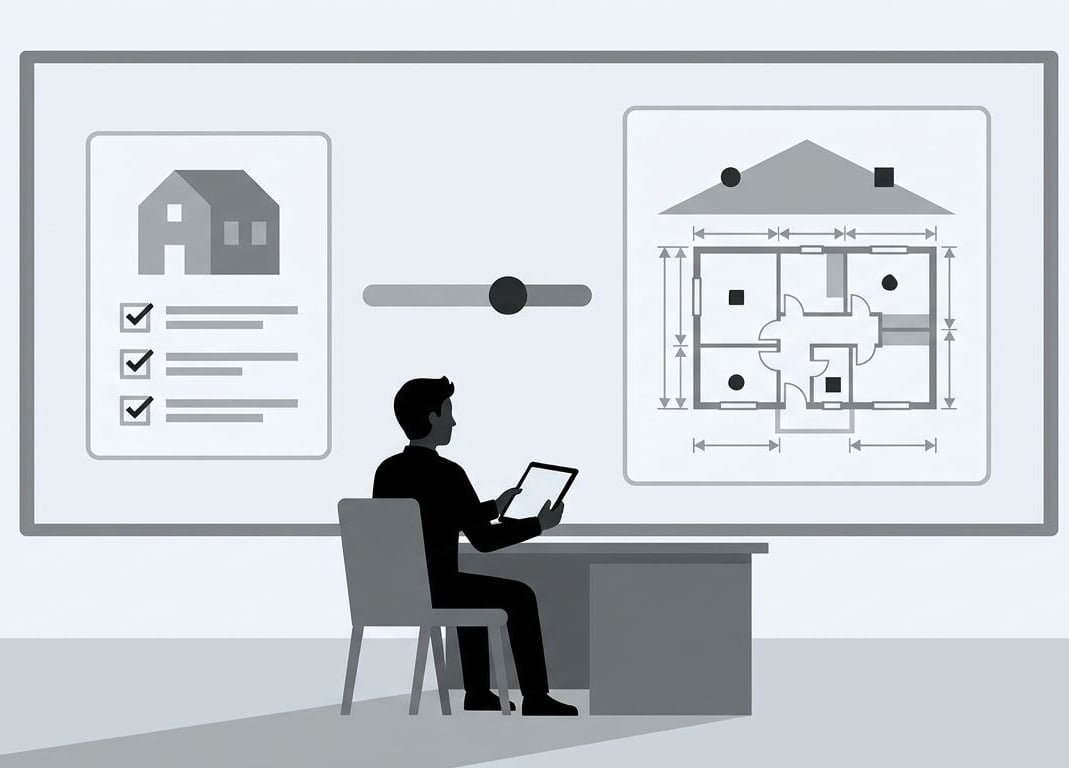
When retailers evaluate multiple properties, consistent assessment criteria and configurable scorecards can also help teams compare findings, identify locations requiring further investigation, and understand how site requirements vary.

The difference isn't simply having more property information. It's having validated information organized for the decisions it needs to support. 

image-4-1

Digital Onboarding: Turn a new property into a portfolio-ready asset  

Acquiring or leasing a property is only the beginning. Construction, Facilities, and Store Planning need reliable information about what the retailer has acquired.  Too often, that information is scattered across reports, drawings, spreadsheets, photographs, and individual teams, creating repeated investigation and delays.   

Immersion Data Solutions' Digital Onboarding Program creates a verified Phygital twin baseline, giving teams a shared starting point for planning and execution.   

01-establish-trusted-property-record-256
Establish a trusted property record from day one

Through structured capture and onboarding, Immersion Data Solutions documents the property's interior, exterior, site conditions, and specified assets.

Depending on scope, deliverables can include:

  • Phygital twin baseline: A navigable property record organized in Phygii.
  • Interior and exterior imagery: 360-degree walkthroughs, photographs, and supporting evidence.
  • Roof and site documentation: Drone imagery of relevant exterior areas, where included.
  • Initial asset inventory: Identified equipment and assets with photographs and metadata.
  • Coverage documentation: Visibility into captured areas, documented asset classes, and information gaps.
02-give-every-team-same-starting-point-256
Give every team the same starting point

Real Estate can transfer documented property information to the teams preparing the location. Construction can reference existing conditions when developing plans. Store Planning can evaluate layouts and format requirements. Facilities can begin building its understanding of the assets it will maintain.

Instead of assembling the property record from disconnected sources after acquisition, teams work from a shared baseline.

As conditions change, that record can be refreshed to support remodels, capital improvements, ongoing operations, and future transactions.

Digital Onboarding can follow due diligence or serve as a standalone program for retailers establishing consistent records across newly acquired locations.

The outcome: Faster portfolio integration, less duplicated investigation, and a stronger foundation for future capital planning.    

Put better evidence behind every property investment 

Protect acquisition capital
Identify physical site requirements that could change the investment before commitments are finalized.
Improve site suitability decisions
Evaluate access, circulation, infrastructure, and constraints against the intended operation.
Reduce downstream surprises
Identify potential issues before they become design changes, construction delays, or unexpected spending.
Accelerate portfolio integration
Give teams shared access to verified information as responsibility moves from Real Estate to Construction, Store Planning, and Facilities.
Reduce duplicated effort
Reuse suitable imagery, measurements, asset information, and documentation instead of starting from scratch.
Build long-term property intelligence
Establish a consistent baseline for capital planning, modernization, facilities management, and future decisions.

From site evaluation to a reusable business asset 

Immersion Data Solutions defines the assessment and onboarding scope, captures relevant physical evidence, and organizes the findings and deliverables in Phygii.

Teams can access site documentation, measurements, imagery, asset records, and identified constraints according to their needs and permissions.

The baseline remains available for future initiatives. When conditions change, updated capture and records help teams maintain an understanding of the property while referencing prior information.

Capture once, reuse everywhere means collecting information with future applications in mind, then refreshing it when conditions or decision requirements change.    

image-5-1

What do you receive? 

Deliverables depend on the property and program scope. 

Deliverable

What it helps you do

Site documentation and measurements

Understand physical configuration and constraints

Utility, drainage, and grading observations

Identify site requirements and questions for investigation

Accessibility and logistics findings

Evaluate parking, circulation, customer access, and deliveries

Configurable assessment scorecards

Review findings against consistent criteria

Initial asset inventory

Establish records for specified equipment and assets

Phygital twin baseline in Phygii

Give teams a shared, reusable property record

Customer story

Faster expansion through more reliable site information 

A nationally known auto service chain was pursuing aggressive expansion while facing a narrow window to evaluate prospective properties.

Its Real Estate and Construction teams needed to move quickly, but existing processes were slowing decisions. CAD deliverables could take six to eight weeks, broker photographs often missed important physical conditions, and repeated site visits consumed time and resources.

Working with Immersion Data Solutions, the company piloted a different approach across four acquisition sites.

Structured property capture documented existing conditions, equipment information, and technical details needed for evaluation and subsequent planning. Phygii helped organize that information into a reusable property record accessible across the process.

The program demonstrated how more reliable property information can improve expansion economics while supporting the transition from acquisition to execution.

These results reflect one customer's program and are not guaranteed outcomes.

 Read the full customer story  

The documented results included:

  • Four to five weeks faster openings, bringing revenue forward.
  • Approximately $4,000 in avoidable costs saved per site, primarily through reduced redundant travel and third-party visits.
  • An estimated $1.5 million in additional revenue per location from earlier openings.
download (1)-2

Make your next property decision with greater confidence 

Before you commit to an acquisition, lease, or major investment, understand the physical requirements behind the opportunity.

Immersion Data Solutions helps you evaluate site suitability, document potential constraints, and establish a verified property record that remains useful long after the transaction.  

Frequently asked questions

What does retail property due diligence include?

Retail property due diligence can include evaluation of site configuration, utilities, drainage, grading, parking, access, and operational suitability. The scope depends on the property, intended use, and transaction requirements.

Physical site assessments complement legal, financial, environmental, and other due diligence performed by appropriate specialists.

Property Due Diligence helps retailers evaluate physical conditions and constraints before making an investment decision.

Digital Onboarding establishes a verified property record that teams can use to integrate the location into the portfolio and prepare for future work.

Field teams document specified parking configurations, vehicle circulation, loading areas, pedestrian routes, entrances, and accessibility features using imagery, observations, and relevant measurements.

The assessment can identify potential concerns but does not independently certify ADA or regulatory compliance.

No. Immersion Data Solutions provides physical documentation and findings that inform property decisions and identify questions requiring further investigation.

Licensed boundary surveys, engineering calculations, environmental studies, and formal compliance determinations require qualified professionals.

Can the same information support construction and facilities management?

Yes. Existing-condition imagery, measurements, plans, and asset information may support design, construction planning, contractor coordination, and initial facilities records.

Phygii preserves relevant information in the property's Phygital twin for reuse when suitable, with updated capture when needed.

Phygii organizes structured information by location, area, asset, and related findings.

Consistent assessment criteria help teams review comparable information across properties, investigate differences, and access supporting evidence without replacing financial models or investment decisions.

A Facility Condition Assessment focuses on the condition of building systems and assets, observable deficiencies, and potential repair or replacement needs.

Property Due Diligence & Site Readiness focuses on the physical site, its suitability for the intended operation, and the information needed to integrate it into the portfolio. A retailer may need both, but they answer different questions.