MEP Capacity & Readiness
Know whether your infrastructure can support what comes next
Before you commit to a lease, renewal, remodel, conversion, or major capital investment on a retail property, understand whether the property's mechanical, electrical, and plumbing (MEP) infrastructure can support the plan.
Immersion Data Solutions captures and validates relevant MEP systems and existing conditions so retail Real Estate, Construction, Facilities, and their partners can understand what is there, what the plan requires, and where additional investigation or investment may be needed.
Make the physical requirements part of the decision before they become part of the problem.

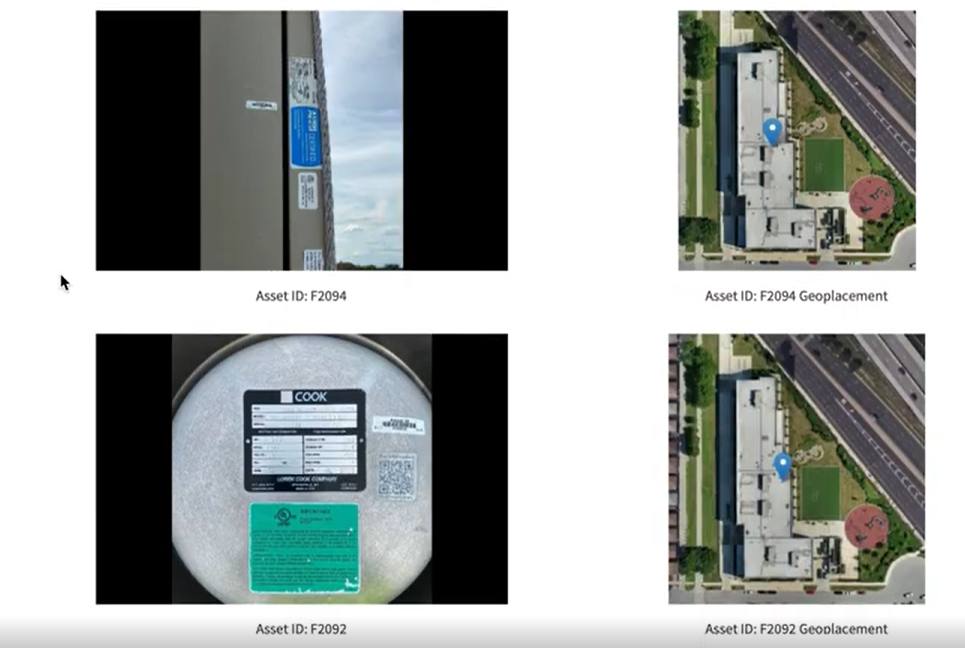
One Facilities team used information from locations Immersion Data Solutions was already capturing to establish a reliable equipment inventory and support budgeting and equipment recommendations.
A retail property's MEP systems can affect the cost, scope, timing, and economics of what you plan to do with it.
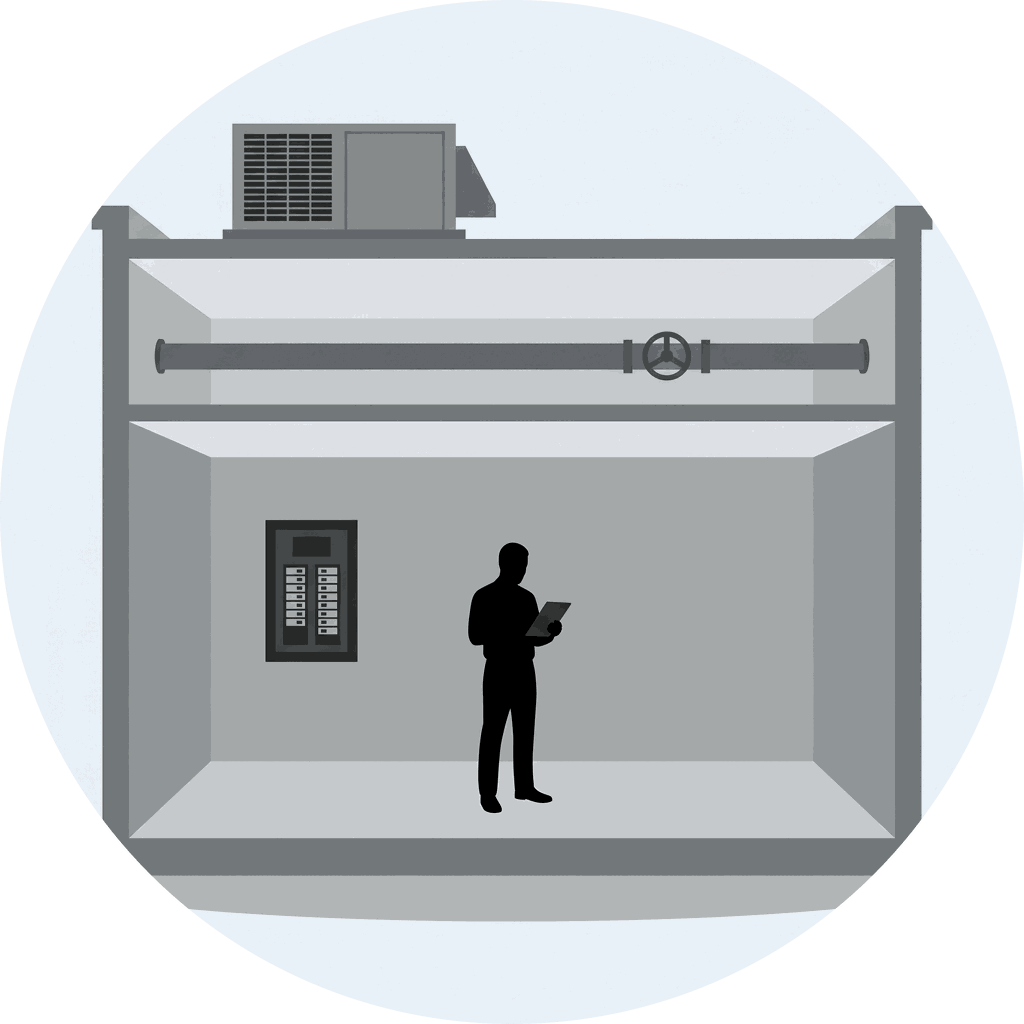
Before an acquisition or lease, teams need to know whether existing infrastructure can support the intended operation. Before a renewal or reinvestment, they need to understand what the property may require and who is responsible for it. Before a remodel or conversion, designers and engineers need reliable information about existing HVAC, electrical, plumbing, utilities, and above-ceiling conditions.
The question is straightforward:
Can this property's infrastructure support what we plan to do next, and what will it take if it cannot?
MEP Capacity & Readiness starts with the intended use or change. The goal is not simply to inventory building systems. It is to understand how the infrastructure you have relates to what you want the property to do.
Document relevant HVAC equipment, nameplate information, visible condition, accessibility, and configuration. Where requirements are available, assess whether existing systems appear adequate for the intended use.
Capture service and distribution infrastructure, equipment ratings, visible condition, labeling, and accessibility to help teams understand whether the existing electrical system aligns with planned requirements.
Document relevant plumbing infrastructure and visible conditions that could affect the intended use, including fixtures, water heaters, shutoffs, leaks, corrosion, or obstructions where applicable.
A system does not have to be failing to become a project constraint. HVAC may be in acceptable condition but insufficient for a new operational requirement. Electrical infrastructure may work today but lack the capacity or configuration needed for new equipment.
An FCA asks: What condition is this property in, what needs attention, and what should we plan for?
MEP Capacity & Readiness asks: Can the infrastructure support what we want to do next?
Related: Facility Condition Assessment
Immersion Data Solutions scopes the capture around the decision teams need to make.
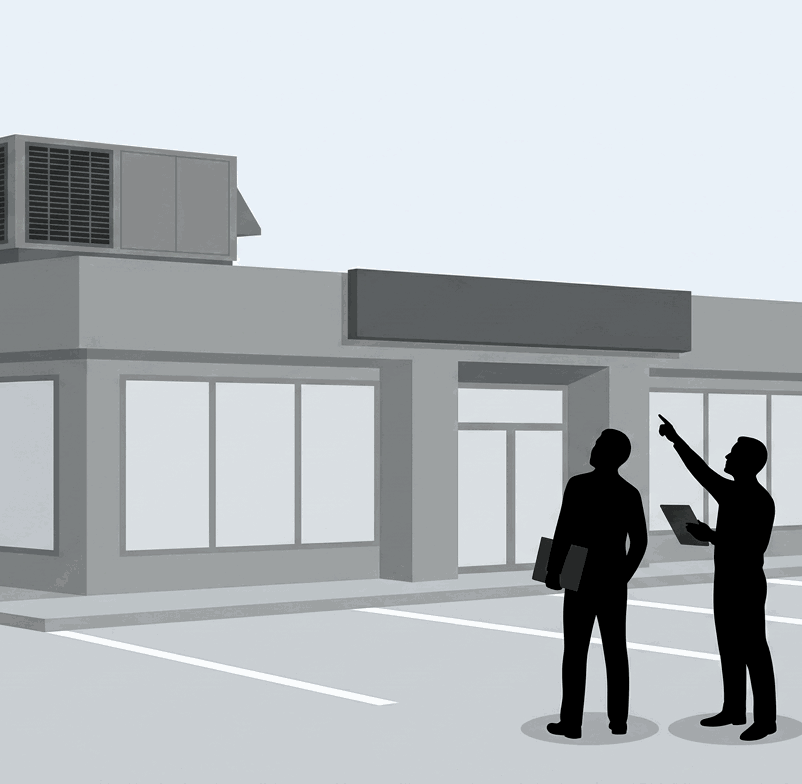
Depending on the property and program, fieldwork can include photography, 360 capture, equipment and nameplate documentation, rooftop drone imagery, and other relevant existing-condition information. For remodel work, the scope can also include above-ceiling capture and the physical context designers, engineers, and contractors need before planning begins.
Existing as-builts, load calculations, service records, and other client-provided information can add context. Where those records conflict with current physical evidence, the discrepancy can identify something teams need to resolve.
Immersion Data Solutions' MEP assessment is observational. Electrical panels remain closed unless qualified personnel are involved, plumbing inspections are visual, and engineering studies, load measurements, or other work requiring licensed engineering expertise require the appropriate qualified partner.
Phygii organizes the resulting property information into the site's Phygital twin so teams can find and reuse the evidence behind the assessment rather than leaving it in another isolated report.
.png?width=962&height=784&name=Professional%20Woman%20at%20Office%20Desk%20(1).png)
A lease abstract can tell you when a lease ends and who is contractually responsible for different parts of a property. It cannot tell you what those systems physically look like today.
Those two kinds of information become especially valuable together.
When deciding whether to renew, relocate, negotiate, or reinvest, teams need to consider what the location requires, who is responsible for it, and how those needs affect the economics of the decision. Retail leaders we interviewed described lease term, remodel cost, expected payback, and responsibility for assets such as HVAC as interconnected considerations.
Validated physical information gives Real Estate, Facilities, Finance, and other stakeholders better evidence for those conversations.
A remodel can change what a store asks of its infrastructure.
New layouts, equipment, technology, foodservice, lighting, fixtures, or other program changes may introduce different electrical, HVAC, plumbing, utility, or space requirements. Existing conditions can also constrain where and how a new concept gets built.
With a reliable inventory, the team could begin using the information for budgeting and equipment recommendations.
That makes MEP information valuable before design gets too far ahead of the building.
For one national travel center operator, Immersion Data Solutions supports a major modernization program with pre-construction baseline imaging, CAD deliverables, and above-ceiling scans. The retailer also uses IDS to document HVAC, electrical, and other infrastructure during refresh planning.
The goal is to identify the physical requirements behind the program before crews have to discover them during execution.

The question gets harder when the plan involves 50, 100, or 500 stores.
One location may have adequate electrical service while another requires additional investigation. Equipment configurations can vary. Above-ceiling conditions may differ. Previous remodels may have changed systems without leaving dependable documentation behind.
A standardized MEP capture gives program teams a consistent starting point. Teams can organize the same types of evidence, identify recurring constraints, determine which properties require deeper investigation, and give internal teams and outside partners better information as they prepare the work.
Immersion Data Solutions scopes the capture around the decision teams need to make.An MEP assessment may begin with one immediate question: Can we remodel this store? Should we renew this lease? Can this property support our concept?
The information gathered to answer it can support later Facilities, Construction, Real Estate, and capital planning needs. Phygii keeps that information tied to the property and its capture date in a reusable Phygital twin.
Capture once, reuse everywhere does not mean property information never changes. Teams can reuse information that remains suitable for the next purpose and refresh it when current conditions matter.
.png?width=1221&height=774&name=Connected%20Businesswoman%20Infographic%20(1).png)
Whether you are evaluating a property, deciding whether to reinvest, or preparing dozens of stores for change, the physical infrastructure should inform the plan before the plan depends on it.
Immersion Data Solutions helps you establish the validated property information needed to make that decision with greater confidence and carry what you learn forward into the next one.
It is a targeted assessment of relevant mechanical, electrical, and plumbing systems to understand what is present, their observable condition, and whether existing infrastructure appears adequate for an intended use or requirement.
The scope follows the decision. An acquisition may require a broader readiness assessment, while a remodel program may focus on the systems and physical conditions most likely to affect design and construction.
An FCA evaluates overall property condition and helps teams understand deficiencies, repair and replacement needs, deferred maintenance, and capital requirements.
MEP Capacity & Readiness focuses on whether building infrastructure can support an intended use, change, or investment. A system can be in acceptable condition and still lack the capacity or configuration a new plan requires.
Whenever a consequential property decision depends on what the building's infrastructure can support.
That can include evaluating a property before acquisition or lease, preparing for a lease renewal or reinvestment decision, planning a remodel or conversion, or understanding infrastructure requirements associated with new equipment, technology, layouts, or store concepts.
No. We can capture equipment, nameplate information, visible conditions, configuration, and other evidence used to assess qualitative readiness. Where a decision requires load measurements, engineering calculations, invasive testing, or licensed professional judgment, the appropriate qualified engineering partner should perform that work.
Depending on scope, deliverables can include an MEP Readiness Scorecard, HVAC, electrical, and plumbing asset information, equipment and nameplate data, photos and 360 imagery tied to findings, and a risk register identifying deficiencies, capacity concerns, and recommended actions. The resulting information can also become part of the property's Phygital twin in Phygii.
Yes, when it remains suitable and current for the new purpose.
Phygii keeps MEP information connected to the property rather than treating every assessment as a standalone deliverable. Facilities, Construction, Real Estate, and other teams can reference the same validated property record for later questions and determine when new capture is necessary.
Yes. A national travel center operator uses our pre-construction imaging, above-ceiling scans, and MEP documentation as part of a major modernization program.
For larger programs, consistent capture can give designers, engineers, contractors, and internal teams a common starting point while helping identify sites that require additional investigation.